
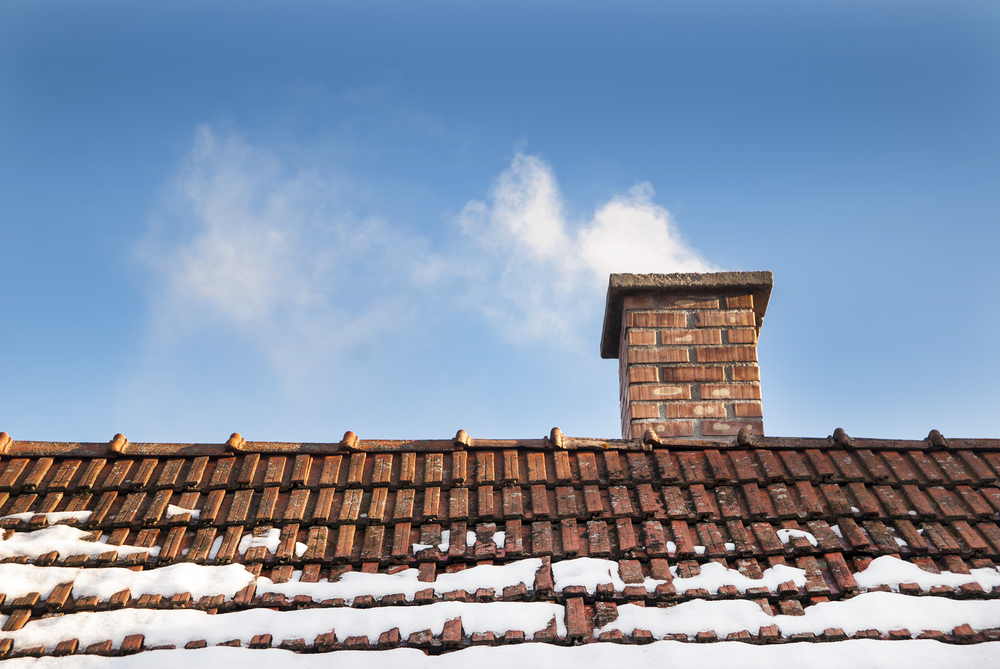
Salt and Snow Damage: How to Protect Masonry
Winter in Wisconsin brings breathtaking beauty, but it also brings challenges for homeowners and property managers. Among the most affected aspects of a home during the cold season is its masonry. When snow, ice, and deicing salts come into contact with masonry surfaces, they can cause long-lasting structural and aesthetic damage. Understanding the risks and taking proactive steps is essential for winter masonry maintenance. From brick and stone care to salt damage prevention, knowing how to shield your property will save time, money, and effort in the long run.
Understanding Masonry Winter Damage
Masonry is highly durable, yet it remains vulnerable to winter conditions, especially in climates like Wisconsin’s where repeated freeze-thaw cycles are common. Water can seep into the pores of brick, stone, or concrete. When temperatures drop, that water freezes and expands, causing internal stress. Over time, this freeze-thaw cycle weakens the structure, leading to cracking, spalling, or even disintegration of the surface.
Beyond natural weathering, the human response to winter, primarily the use of ice melt products, introduces another layer of risk. While salt helps keep walkways and driveways safe, it can accelerate masonry deterioration. This leads to issues like concrete damage from ice melt, crumbling mortar joints, and white efflorescence stains caused by salt deposits. Protecting masonry requires both awareness of these hazards and a commitment to seasonal upkeep.
How Salt Causes Damage to Masonry
Salt is an effective deicer, but it is also chemically aggressive when it comes to masonry materials. Sodium chloride, calcium chloride, and other compounds commonly found in ice melt can penetrate the surface of brick or concrete. Once inside, salt retains moisture and prevents masonry from fully drying out. This prolonged wetness exacerbates freeze-thaw cycles, increasing the risk of structural cracking.
In Wisconsin, where snowfall and ice accumulation are frequent, salt use is nearly unavoidable. However, repeated exposure to these chemicals accelerates the corrosion of steel reinforcements within concrete and causes brick faces to flake or pit. Masonry winter damage doesn’t always appear immediately. Small cracks or stains might go unnoticed until they develop into major structural problems. That is why timely inspection and maintenance are crucial during and after the winter season.
Best Practices for Salt Damage Prevention
One of the most effective ways to reduce winter-related masonry deterioration is to limit the use of harmful deicing salts near masonry surfaces. Instead of traditional salt, opt for more masonry-friendly products such as calcium magnesium acetate, which is less corrosive and less likely to cause damage. Additionally, sand or cat litter can provide traction without contributing to chemical wear.
Proper drainage also plays a critical role in salt damage prevention. Make sure that gutters, downspouts, and exterior grading are directing water away from masonry surfaces. This prevents excessive moisture from pooling near foundations or walls where salt may have accumulated. Furthermore, sealing masonry before winter sets in creates a protective barrier that repels water and reduces the absorption of salt compounds. A breathable masonry sealer will protect the surface while allowing trapped moisture to escape.
Physical barriers like rubber mats or pavers near entryways and walkways can also help shield masonry from direct salt exposure. These simple yet effective strategies can dramatically reduce concrete damage from ice melt and preserve your property’s structural integrity through harsh winters.
Brick and Stone Care During Wisconsin Winters
Proper brick and stone care is especially important in states like Wisconsin, where winter conditions are intense and prolonged. During the colder months, regular inspections should be part of your routine. Look for signs of damage such as flaking, staining, or cracking on all masonry surfaces. Promptly addressing small issues prevents them from turning into more serious, costly repairs.
When repairing mortar joints, use cold-weather-compatible mortar mixes to ensure proper bonding and durability. Repointing damaged joints helps maintain the structural integrity and keeps water from seeping behind bricks or stones. It’s also essential to remove any vegetation or debris that may be clinging to walls, as these can trap moisture against the surface.
For homeowners with older properties, historical masonry may require more specialized winter property maintenance. Traditional lime-based mortars, for example, are more porous than modern cement-based mixes and thus more vulnerable to freeze-thaw cycles. A preservation-minded approach is critical to ensure long-term brick and stone care in these scenarios.
Lastly, avoid using power washers or aggressive cleaning methods in cold weather, as they can drive water deeper into masonry and create a greater risk of damage when temperatures drop. Stick to gentle, dry cleaning methods during the winter months whenever possible.
Long-Term Freeze-Thaw Protection Strategies
Wisconsin winters are relentless, so freeze-thaw protection must be a long-term strategy rather than a seasonal chore. The foundation of this approach begins with choosing high-quality masonry materials that are rated for freeze-thaw resistance. For new construction or renovations, opt for bricks, stones, and concrete mixes that are dense and less porous, reducing their susceptibility to water infiltration.
A comprehensive maintenance plan should also include scheduled professional inspections every few years. These evaluations can identify hidden weaknesses, such as compromised flashing or foundation shifts, that might otherwise go unnoticed. Masonry professionals can also recommend appropriate sealants and waterproofing solutions tailored to your building’s materials and exposure levels.
Consistent care through every season enhances winter masonry maintenance efforts. For instance, maintaining proper landscape grading in the spring and summer helps prevent water from pooling near masonry during winter snow melts. Likewise, repairing cracks and applying sealant before the first snowfall ensures your property is ready to withstand another round of freeze-thaw cycles.
Education is another vital component. Property owners who understand how and why masonry winter damage occurs are far more likely to take preventative measures. Workshops, seasonal checklists, and community maintenance initiatives can empower homeowners to care for their property’s exterior in a proactive and informed way.
Conclusion
Masonry may be built to last, but winter in Wisconsin puts that resilience to the test. Snow, ice, and especially salt can turn beautiful brick and stone surfaces into crumbling facades if left unprotected. By understanding the causes of masonry winter damage, using salt alternatives, performing timely inspections, and applying protective sealants, property owners can safeguard their investment from the harshest elements.
From sidewalks and patios to chimneys and foundations, every part of your masonry deserves careful winter property maintenance. Adopting these preventive strategies not only reduces the risk of concrete damage from ice melt but also ensures long-term freeze-thaw protection across all seasons. With consistent care, your brick and stone will stand strong and beautiful through many Wisconsin winters to come.
Need a Masonry & Concrete Contractor Near You?
Welcome to Langenfeld Masonry & Concrete! Family owned and operated, Langenfeld Masonry & Concrete has been servicing Racing, Kenosha, and South Milwaukee counties since 1912. Our years of experience in the industry have built us a reputation within the community as the premier masonry and concrete contractors in the area. At Langenfeld Masonry & Concrete, we specialize in driveways, patios, sidewalks, and concrete repair. In addition, we also offer basement waterproofing, foundation pouring, repair, and more. For five strong generations, we have been dedicated to being the best at what we do, and it shows. Come see what sets us apart from the competition and why we have truly passed the test of time. Call us today for your free estimate.



Categorised in: Masonry Contractor