
How to Prevent Basement Flooding in Racine, WI: Waterproofing, Drainage, and Sump Pump Tips
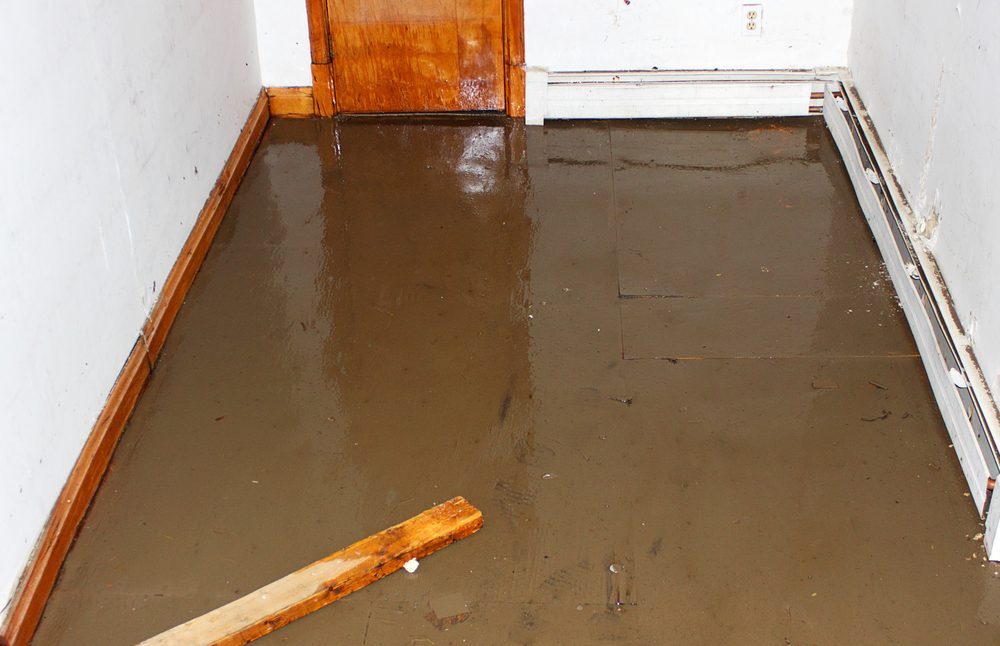
Basement flooding can become a serious concern for homeowners in Racine, especially when heavy rain, saturated ground, and aging drainage systems put pressure on foundations. Water may enter through cracks, collect around foundation walls, or back up when drainage systems cannot move it away quickly enough.
Preventing basement flooding usually requires controlling water before it reaches the foundation, giving groundwater a reliable drainage path, and using a properly functioning sump pump when gravity drainage is not enough. Homeowners should pay particular attention to grading, gutters, downspouts, foundation cracks, drain tile, basement waterproofing, and sump pump performance.
What local homeowners should know
-
Gutters and downspouts should move roof runoff away from the foundation rather than allowing water to collect beside basement walls.
-
Parts of eastern Racine County have soils with slow percolation rates or seasonally high groundwater conditions, making effective drainage especially important.
-
Foundation cracks, deteriorated masonry, and failed waterproofing can create additional paths for moisture to enter a basement.
-
A sump pump is only useful when the pump, basin, discharge system, and drainage feeding it are functioning correctly.
-
Preventive inspections are generally easier to plan than repairs after finished basement materials, stored belongings, or mechanical equipment have been exposed to water.
Why Basement Flooding Matters in Racine
Basement flooding matters in Racine because local homes can face a combination of heavy rainfall, groundwater, slow-draining soils, and pressure on drainage systems. The city’s proximity to Lake Michigan and local waterways such as the Root River also makes water management a familiar concern throughout this part of southeastern Wisconsin.
City records illustrate why homeowners should take major rain events seriously. A Racine Wastewater Utility report describes an August 2007 storm that produced more than six inches of rain over approximately 36 hours. The event caused widespread sewer-system surcharging, and several homes experienced basement backups.
That does not mean every basement water problem comes from the sewer system. Surface runoff, groundwater, foundation deterioration, poor grading, clogged gutters, drain tile problems, and sump pump failures can all contribute.
Langenfeld Masonry & Concrete can help property owners evaluate masonry, concrete, and water-management concerns around their foundations. When we look at a basement moisture problem, identifying how water is reaching the structure is an important part of determining an appropriate solution.
Local Data and Drainage Conditions
Local planning information shows that water movement through soil is a legitimate consideration for properties in the Racine area. A Racine Wastewater Utility facilities plan notes that much of the planning area’s soil has limitations related to slow percolation caused by underlying clay layers or seasonally high groundwater.
Those conditions help explain why drainage deserves attention rather than relying only on a coating applied to the inside of a basement wall.
Local floodplain planning also identifies floodplain areas associated with the Lake Michigan shoreline, Root River, Pike River, Hoods Creek, and Sorenson Creek. A property’s specific flood exposure varies by location, but these waterways reinforce the importance of understanding drainage throughout the area.
How Water Can Affect a Racine Basement
Basement water can affect everything from masonry and stored belongings to finished walls, flooring, and mechanical equipment. Even smaller recurring leaks deserve attention because they may indicate that water is consistently reaching a vulnerable portion of the foundation.
Repeated moisture can contribute to staining, efflorescence, musty conditions, deterioration of finishes, and damage to belongings. Water pressure against foundation walls or beneath a basement floor may also reveal a drainage problem that cannot be solved simply by patching the visible wet spot.
For homeowners near the Root River, Lake Michigan, or lower-lying parts of Racine County, understanding where runoff travels across the property can be particularly useful after storms.
Warning Signs of a Basement Water Problem
Common warning signs include visible water, damp masonry, cracks, staining, and a sump pump that runs frequently during wet weather. Homeowners should investigate recurring symptoms rather than waiting for standing water to appear.
Watch for:
-
Water collecting where the basement wall meets the floor.
-
Damp spots or discoloration on concrete or masonry walls.
-
White, powdery deposits appearing on masonry surfaces.
-
Cracks that repeatedly become damp after rain.
-
Peeling paint or deteriorating finishes on basement walls.
-
A sump pump that runs continuously or struggles to keep up during storms.
-
Water pooling beside the foundation after rain or snowmelt.
-
Downspouts that empty directly beside basement walls.
One symptom does not necessarily identify the cause. The location and timing of the moisture provide useful clues about where the investigation should begin.
When to Call a Professional
Call a professional when basement water is recurring, foundation cracks are involved, drainage appears inadequate, or a sump system cannot keep the basement dry. Simple maintenance such as cleaning gutters can be handled by many homeowners, but structural and below-grade water problems deserve a closer evaluation.
Professional help may be appropriate when water repeatedly enters through the same wall, cracks change or worsen, masonry is deteriorating, the basement floods during major storms, or exterior excavation may be required.
A homeowner should also avoid assuming that every basement leak requires the same waterproofing system. Finding the source first can prevent money from being spent on a solution that does not address the actual water path.
Common Causes of Basement Flooding in Racine
The most common basement flooding causes involve poor surface drainage, groundwater pressure, foundation openings, drain tile issues, and sump pump problems. Racine’s seasonal precipitation and local soil conditions can make several of these issues occur at the same property.
1. Poor Grading
Soil should encourage runoff to move away from the house. Low spots beside the foundation can collect roof runoff and rainfall directly against basement walls.
2. Gutters and Downspouts
Clogged gutters or short downspouts can concentrate large amounts of roof water beside the foundation during a southeastern Wisconsin storm.
3. Foundation Cracks
Cracks can provide a pathway for moisture. The appropriate repair depends on the crack, foundation material, water source, and surrounding conditions.
4. Drain Tile Problems
Perimeter drainage is intended to collect and redirect water. If the system is missing, damaged, obstructed, or unable to drain effectively, water pressure around the basement may increase.
5. Sump Pump Problems
A failed pump, obstructed discharge line, power outage, undersized system, or other mechanical issue can prevent collected water from being removed.
6. Freeze-Thaw Wear
Wisconsin winters repeatedly expose exterior masonry and concrete to freezing and thawing conditions. Existing cracks and deterioration should be monitored because they can create additional maintenance concerns around a foundation.
How to Prevent Basement Flooding
Preventing basement flooding starts with keeping surface water away from the foundation and maintaining the drainage and sump systems responsible for handling groundwater. In Racine, homeowners should make these checks part of both spring maintenance and preparation for periods of heavy rain.
Clean gutters and confirm that downspouts discharge where water can continue moving away from the house. Walk around the foundation after rainfall and look for pooling, erosion, or low spots.
Inside the basement, inspect accessible foundation walls and floors for new cracks, staining, dampness, or mineral deposits. Check the sump basin and make sure the pump activates properly according to its manufacturer’s instructions.
If water is reaching the foundation below grade, exterior waterproofing or perimeter drainage may be appropriate. UW Extension flood guidance notes that exterior excavation can allow foundation walls to be waterproofed while washed stone and drain tile are installed. Interior perimeter drainage may also be an option when exterior excavation is not practical.
DIY maintenance should stop when excavation, structural foundation repairs, electrical work, or significant drainage modifications are required.
What to Expect From Waterproofing and Drainage Improvements
Effective waterproofing and drainage improvements should reduce the amount of water reaching vulnerable foundation areas and provide a controlled route for collected groundwater. The exact result depends on the source of the water and the system used to address it.
Exterior waterproofing focuses on protecting below-grade foundation surfaces and managing water outside the structure. Drain tile collects water and directs it toward an appropriate outlet or sump. A sump pump then removes collected water when gravity drainage is unavailable or insufficient.
Some homes may need one of these measures, while others may benefit from a combination.
Common Basement Waterproofing Mistakes
The biggest waterproofing mistakes happen when homeowners treat the visible symptom without correcting the source of the water. A wet wall may be where water appears, but the actual problem could begin with roof runoff, grading, subsurface drainage, or groundwater pressure.
Mistake: Painting over a damp basement wall.
Consequence: The visible surface changes while the underlying water source remains.
Better approach: Determine why moisture is reaching the wall.
Mistake: Ignoring water pooling beside the house.
Consequence: More runoff can reach the foundation.
Better approach: Correct gutters, downspouts, and grading where appropriate.
Mistake: Forgetting about the sump pump until a major storm.
Consequence: A problem may only become obvious when the pump is needed most.
Better approach: Test and inspect the system periodically.
Mistake: Sealing every crack without evaluating it.
Consequence: A repair may hide a symptom without addressing water movement or a larger foundation issue.
Better approach: Have concerning or recurring cracks properly evaluated.
A Common Racine Basement Scenario
A common local scenario begins with a basement that stays mostly dry until several periods of rain leave the surrounding ground saturated. The homeowner then notices dampness along one section of the basement wall or water appearing near the wall-floor joint.
Outside, a downspout may discharge too close to the house, grading may direct water toward the foundation, or below-grade drainage may no longer handle the incoming water effectively.
The correct response is not automatically a new sump pump or waterproofing coating. The first priority is identifying the path the water is taking and then choosing measures that address that path.
Waterproofing, Drainage, and Sump Pump Solutions
Basement flood prevention works best when waterproofing, drainage, and sump pumping are treated as parts of one water-management strategy. Each addresses a different portion of the problem.
Exterior waterproofing helps limit water intrusion through below-grade foundation surfaces. Drainage systems collect and redirect groundwater. Masonry and concrete repairs can address appropriate cracks or deteriorated areas. Sump pumps remove water collected by drainage systems when it cannot flow away naturally.
For homeowners dealing with foundation or basement water concerns, we can help evaluate which masonry, concrete, waterproofing, or drainage-related solutions may be appropriate for the property.
Comparing Basement Flood Prevention Options
The right flood-prevention option depends on whether water is coming from the surface, through the foundation, or from below the basement floor. Some Racine homes need straightforward drainage corrections, while recurring below-grade water problems may require a more comprehensive approach.
| Option | Best Used For | Key Consideration |
|---|---|---|
| Gutter and downspout maintenance | Roof runoff problems | Water still needs an appropriate place to discharge |
| Grading improvements | Surface water collecting near the house | Drainage should direct runoff away from the foundation |
| Crack repair | Specific foundation openings | The cause and condition of the crack should be evaluated |
| Exterior waterproofing | Below-grade wall moisture | Usually requires excavation |
| Drain tile | Groundwater management | Requires a suitable outlet or sump system |
| Sump pump | Removing collected groundwater | Depends on reliable operation and proper discharge |
| Interior drainage | Capturing water at the basement perimeter | Manages incoming water rather than preventing all exterior contact |
Basement Waterproofing Service Areas
Basement and foundation water concerns affect homeowners throughout Racine and surrounding Racine County communities. Properties in nearby Mount Pleasant, Sturtevant, Caledonia, and other southeastern Wisconsin communities can face similar challenges related to rainfall, groundwater, drainage, and seasonal freeze-thaw conditions.
The Cost of Ignoring Basement Water
Ignoring recurring basement water can allow a manageable drainage or foundation concern to become a more disruptive property problem. The potential consequences include damaged finishes and belongings, continued masonry deterioration, repeated cleanup, and the need for more extensive repairs later.
This is particularly worth considering before periods of heavy rainfall. A basement that has leaked several times is providing useful information about how water behaves around the property.
Frequently Asked Questions About Basement Flooding in Racine
How can I prevent my basement from flooding in Racine, WI?
Start by directing roof and surface water away from your foundation, maintaining your sump pump, and checking for foundation or drainage problems. Because local properties may encounter slow-draining soils and seasonal groundwater conditions, recurring basement moisture may require drain tile, waterproofing, foundation repairs, or a combination of solutions.
Do Racine homes need sump pumps?
Some Racine homes benefit from sump pumps because they provide a way to remove groundwater collected by foundation drainage systems. Whether your property needs one depends on its foundation, drainage, groundwater conditions, and existing system. The City of Racine has also maintained a sump pump program for qualifying city residents.
Does clay soil contribute to basement water problems in Racine County?
Slow-draining soil can contribute to water-management challenges around a foundation because water may not move through the ground quickly. Local wastewater planning documents identify underlying clay layers and seasonally high groundwater as factors affecting soil percolation in parts of the Racine planning area.
Is interior or exterior basement waterproofing better?
The better waterproofing approach depends on where the water originates and the condition of the foundation. Exterior systems address water at the outside of the foundation, while interior drainage can capture water that reaches the basement perimeter. An inspection can help determine which approach fits the property’s conditions.
Can a foundation crack cause basement flooding?
Yes, some foundation cracks can allow water to enter when moisture accumulates outside the wall. However, sealing the crack may not solve the entire problem if poor grading, damaged drainage, or groundwater pressure is still present. Recurring wet cracks should be evaluated along with surrounding drainage conditions.
When should I check my sump pump in Racine?
Check your sump pump regularly and especially before seasons or weather patterns that may bring heavy rainfall. Confirm that the pump activates, the basin is reasonably clear, and the discharge system is unobstructed. Follow manufacturer instructions and seek professional help if electrical or mechanical repairs are necessary.
Can heavy rain overwhelm basement drainage in Racine?
Yes, unusually heavy rainfall can put substantial pressure on local drainage and sewer infrastructure as well as private property drainage systems. City records document widespread sewer surcharging during a major 2007 rain event, showing why homeowners should prepare their individual drainage and sump systems before severe storms.
Should I waterproof my basement before finishing it?
Existing moisture and drainage concerns should be addressed before installing moisture-sensitive basement finishes. If you have seen water, staining, damp walls, or frequent sump activity, determine the source first. Finishing materials can conceal warning signs and increase the amount of material affected by a future leak.
Protect Your Racine Basement Before Water Gets In
Preventing basement flooding is about controlling water at every stage, from the roof and yard to the foundation, drain tile, and sump basin. For Racine homeowners, regular inspections and properly planned drainage improvements can reduce the chance that the next period of heavy rain turns into a basement cleanup project.
Keep Water Away From Your Foundation
We can help you evaluate basement, foundation, masonry, concrete, waterproofing, and drainage concerns and determine which solutions make sense for your property.
Categorised in: Basement Waterproofing