
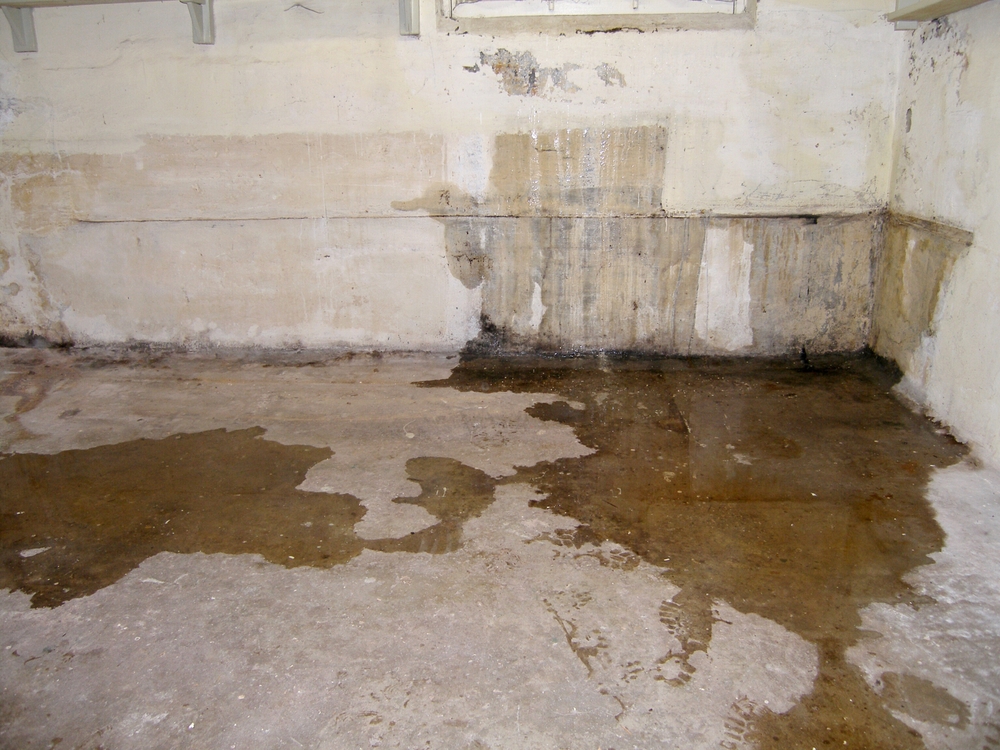
Why Is My Basement Leaking in Racine, WI? Common Causes and Waterproofing Solutions
A leaking basement can show up after a heavy rain, during spring snowmelt, or after repeated freeze-thaw cycles have stressed concrete and masonry. For homeowners in Racine, WI, water around the foundation deserves attention because even a small damp area can point to a drainage, foundation, or waterproofing problem.
Quick answer: A basement in Racine may leak because rainwater or melting snow is collecting near the foundation, groundwater pressure is forcing moisture through vulnerable areas, or cracks and gaps are allowing water inside. Common solutions include improving exterior drainage, repairing foundation cracks, addressing window wells, installing drainage systems, and applying appropriate waterproofing methods based on where the water is entering.
What local homeowners should know
-
Basement leaks often become noticeable during heavy rainfall or spring snowmelt, but the underlying problem may have developed gradually.
-
Racine County’s changing seasons and repeated freezing and thawing can contribute to stress on concrete and masonry.
-
Gutters, downspouts, grading, foundation cracks, and basement drainage systems should all be considered when tracking down a leak.
-
Properties near Lake Michigan still need site-specific evaluation because drainage and groundwater conditions can vary considerably from one property to another.
-
Waterproofing works best when the solution addresses the actual path water is taking rather than simply covering the visible stain.
Why Basement Leaks Matter in Racine
Basement leaks matter in Racine because moisture can damage finishes, stored belongings, masonry, concrete, and other building materials while creating an ongoing damp environment below the home. Local seasonal conditions can also make a minor drainage or foundation problem more noticeable at certain times of year.
Homes throughout Racine County experience rain, snow, freezing temperatures, thawing, and periods when the ground becomes saturated. Water that drains toward a house rather than away from it can collect alongside the foundation. Once enough water builds up, it may find its way through cracks, joints, penetrations, or other vulnerable areas.
Older homes can present additional challenges because foundation construction and previous repairs vary from property to property. Whether a home is closer to Lake Michigan, the Root River, West Racine, or another part of the community, the source of basement water should be identified before choosing a repair.
At Langenfeld Masonry & Concrete, we understand that visible water is only part of the problem. Determining how moisture is reaching the basement helps us identify which type of repair or waterproofing approach makes sense.
Local Conditions That Can Contribute to Basement Water
Racine’s rainfall, snowmelt, freezing temperatures, and freeze-thaw cycles can all contribute to conditions that expose weaknesses around a foundation. These factors do not automatically cause a basement to leak, but they can reveal drainage problems, cracks, deteriorated materials, or other existing vulnerabilities.
Freeze-thaw cycles are particularly relevant to concrete and masonry. Water can enter small openings, freeze when temperatures fall, and place additional stress on surrounding material. Meanwhile, spring thaw can introduce significant moisture around a foundation when melting snow combines with wet or partially frozen soil.
These conditions can affect homes throughout the area, including Racine, Mount Pleasant, Caledonia, Sturtevant, North Bay, and Elmwood Park. The exact cause still depends on the individual property, which is why an on-site evaluation is more useful than assuming every wet basement needs the same solution.
How a Leaking Basement Can Affect Your Home
A leaking basement can affect your home by damaging materials, limiting usable space, and allowing moisture to persist around the foundation. Water problems that repeatedly return can also make repairs more complicated if the underlying drainage or foundation issue remains unresolved.
A small puddle after a storm might damage boxes or flooring. Repeated seepage can affect drywall, trim, insulation, coatings, and other basement finishes. Moisture moving through cracks or masonry can also leave staining or mineral deposits behind.
For local homeowners who use the basement for storage, laundry, utilities, recreation, or finished living space, addressing the source early can help limit repeated cleanup and repairs.
Warning Signs Your Basement May Have a Water Problem
Common warning signs of a basement water problem include visible seepage, damp walls, water stains, cracks, and moisture appearing where the wall meets the floor. Even if you do not see standing water, recurring signs after storms or snowmelt may justify a closer inspection.
Watch for:
-
Water collecting along basement walls after rainfall
-
Dampness where the basement wall meets the floor
-
Visible cracks in poured concrete or masonry
-
Water stains or discoloration on walls
-
White, powdery mineral deposits on masonry or concrete
-
Damp areas beneath or around basement windows
-
Peeling coatings or damaged basement finishes
-
A recurring musty or damp odor
Pay attention to when these symptoms appear. Water that shows up specifically after a hard rain provides a useful clue about exterior drainage and groundwater conditions.
When Should You Call a Professional for a Basement Leak?
You should call a professional when basement water keeps returning, enters through foundation cracks or joints, appears during storms, or cannot be traced to an obvious plumbing source. Professional evaluation is especially useful when correcting the problem could require concrete, masonry, drainage, or waterproofing work.
Homeowners can safely inspect gutters, downspouts, visible grading, and accessible window wells. You can also document where water first appears during or immediately after wet weather.
DIY investigation should stop when repairs involve excavation, structural concerns, significant foundation cracking, electrical hazards near standing water, or installation of a drainage and sump system. A professional can evaluate the larger water-management problem rather than treating only the wet surface.
What Are the Most Common Causes of Basement Leaks in Racine?
The most common causes of basement leaks in Racine include poor surface drainage, foundation cracks, hydrostatic pressure, vulnerable wall-floor joints, window well problems, and failed or inadequate waterproofing. Several causes can occur at the same home, so finding the entry point is an important first step.
1. Poor Grading Around the Foundation
Soil should direct surface water away from the home. Low spots or settled areas beside the foundation can allow rain and melting snow to collect where water has a better chance of entering the basement.
2. Gutter and Downspout Problems
Overflowing gutters or downspouts that discharge too close to the house can concentrate roof runoff beside the foundation. During heavy Racine-area rainfall, that extra water can expose weaknesses that remain dry during normal conditions.
3. Foundation Cracks
Cracks can provide a direct path for water. The appropriate repair depends on the type, location, width, movement, and construction of the foundation, so simply coating the interior surface may not solve the cause.
4. Hydrostatic Pressure
When soil around a foundation becomes saturated, groundwater can create pressure against basement walls and beneath the floor. Water may then enter through cracks, joints, penetrations, or the connection between the wall and slab.
5. Window Wells
Window wells can collect water when they drain poorly, sit too low, or receive runoff from surrounding surfaces. Water may then enter around the basement window or nearby foundation openings.
6. Wall-Floor Joint Seepage
Water sometimes appears along the perimeter where a basement wall and floor meet. This pattern can indicate groundwater or drainage conditions that require more than a surface patch.
How Can Racine Homeowners Help Prevent Basement Leaks?
Racine homeowners can help prevent basement leaks by keeping roof runoff away from the foundation, maintaining positive grading, checking window wells, and inspecting visible concrete and masonry for changes. Seasonal inspections are especially useful before spring snowmelt and during periods of heavier rainfall.
Clean gutters and confirm that downspouts discharge water away from the house. Look for soil that has settled next to the foundation and check whether patios, walks, or landscaping direct runoff toward the building.
Inspect basement walls periodically for new cracks, staining, or damp areas. After a strong storm, check the basement before moisture has time to dry so you can identify where water first appeared.
What Results Can You Expect From Basement Waterproofing?
Basement waterproofing should reduce or control water intrusion by addressing the specific source and drainage conditions affecting the property. The expected result depends on whether the problem originates with surface runoff, a foundation opening, groundwater pressure, exterior waterproofing, or a combination of factors.
A drainage correction may be appropriate when roof or surface water is the main problem. Localized crack repair may address certain foundation openings. Other properties may need an interior drainage system, sump system, exterior waterproofing, or multiple improvements working together.
An inspection should determine the likely water path before a repair plan is selected.
Common Basement Waterproofing Mistakes
The biggest waterproofing mistake is covering a visible symptom without determining why the water is entering.
Mistake: Painting over a damp basement wall.
Consequence: The coating may hide staining temporarily while the moisture source remains.
Better approach: Identify whether water is coming through a crack, joint, masonry surface, window, or another location.
Mistake: Ignoring drainage outside.
Consequence: Water can continue collecting beside the foundation.
Better approach: Check gutters, downspouts, grading, and other exterior drainage conditions as part of the evaluation.
Mistake: Waiting for repeated flooding.
Consequence: More finishes or stored belongings may be exposed to water.
Better approach: Investigate recurring seepage while the affected area is still limited.
A Common Basement Leak Scenario in Racine
A common Racine scenario is a basement that stays dry much of the year but develops water along one wall after prolonged rain or spring thaw. The homeowner may initially assume the wall itself simply needs to be sealed.
A closer evaluation could reveal several possible contributors, including a downspout discharging nearby, settled soil beside the house, a foundation crack, or groundwater pressure at the wall-floor joint. This is why the location and timing of the leak matter when selecting a solution.
Which Waterproofing Solutions Can Address a Leaking Basement?
Waterproofing solutions can include drainage improvements, foundation crack repair, interior water-management systems, sump systems, and exterior waterproofing depending on the source of the leak. The right approach should manage water before it repeatedly reaches vulnerable areas of the basement.
Exterior work may address grading, drainage, foundation surfaces, or specific defects accessible from outside. Interior systems can collect and direct groundwater toward an appropriate discharge point. Concrete or masonry repairs may be needed where cracks or deterioration provide a path for moisture.
DIY Fix or Professional Waterproofing: Which Is Better?
DIY maintenance is appropriate for basic tasks such as cleaning gutters, checking downspouts, monitoring cracks, and correcting simple landscaping issues, while recurring or significant basement seepage generally warrants professional evaluation.
A homeowner can often spot obvious surface drainage problems. Professional service becomes more valuable when the leak involves foundation cracks, groundwater pressure, wall-floor seepage, excavation, masonry repair, or a drainage system.
The goal is not simply to choose the most extensive solution. It is to choose a repair that matches the source and severity of the water problem.
What Areas Do We Serve Around Racine?
Our local focus includes Racine and surrounding Racine County communities where homeowners face similar seasonal moisture, concrete, masonry, and foundation concerns. Nearby communities include Mount Pleasant, Caledonia, Sturtevant, North Bay, and Elmwood Park.
What Happens If You Ignore a Basement Leak?
Ignoring a basement leak can allow recurring moisture to damage finishes and belongings while leaving the underlying drainage or foundation issue unresolved. In southeastern Wisconsin, waiting through additional storms, snowmelt, and freeze-thaw cycles can mean dealing with the same problem repeatedly.
Not every damp spot indicates a major foundation problem, but recurring water deserves investigation. Identifying the cause gives you a clearer picture of whether basic drainage maintenance or professional waterproofing and repair is appropriate.
Frequently Asked Questions About Basement Leaks in Racine
Why does my basement leak when it rains in Racine?
A basement that leaks during rain often has a surface drainage, foundation opening, or groundwater problem. Check gutters, downspouts, grading, window wells, and the exact location where water appears. Heavy or prolonged rainfall can saturate soil around a foundation and make existing vulnerabilities easier to identify.
Why does my Racine basement leak during spring?
Spring basement leaks can occur when melting snow and seasonal precipitation increase moisture around the foundation. Partially frozen or saturated ground can also affect how quickly water drains away. If seepage returns during spring thaw, document the entry location and have persistent foundation or drainage problems evaluated.
Can freeze-thaw cycles cause foundation cracks?
Freeze-thaw cycles can contribute to stress and deterioration when moisture enters vulnerable concrete or masonry and freezes. Existing cracks can also change over time for several reasons. Because the significance of a crack depends on its characteristics and the surrounding foundation, recurring water intrusion through a crack should be professionally assessed.
Will sealing the inside of my basement stop water?
Interior sealing alone may not stop basement water if the underlying cause is exterior drainage or groundwater pressure. A coating can address certain surface conditions, but it does not automatically correct poor grading, foundation cracks, saturated soil, or water entering through the wall-floor joint.
Do Racine homes need sump pumps?
Some Racine homes may benefit from sump systems, but whether a particular property needs one depends on its foundation, drainage system, groundwater conditions, and history of water intrusion. A sump pump is part of a water-management strategy and should be paired with an appropriate method for collecting and directing water.
Should I repair gutters before waterproofing my basement?
Yes, obvious gutter and downspout problems should be addressed because roof runoff can place unnecessary water beside the foundation. However, correcting gutters may not resolve leaks caused by foundation cracks, groundwater pressure, or other conditions. If water continues after drainage improvements, further evaluation is appropriate.
Can a basement leak be repaired from inside?
Some basement water problems can be addressed from inside, depending on where and why water is entering. Interior drainage systems and certain crack repairs are examples. Other conditions may call for exterior work. The correct approach depends on the foundation type, water path, and site conditions.
When should Racine homeowners inspect their basements for leaks?
Racine homeowners should inspect basements after heavy rain, during spring thaw, and periodically throughout the year. Look along exterior walls, around basement windows, near visible cracks, and at the wall-floor joint. Checking while conditions are still wet can make the original entry point easier to identify.
Protect Your Racine Basement From Recurring Water Problems
A dry basement starts with understanding where the water is coming from and selecting a solution that addresses the cause. We can help evaluate concrete, masonry, foundation, and water-intrusion concerns so you can make an informed decision about the next step.
Categorised in: Basement Waterproofing