
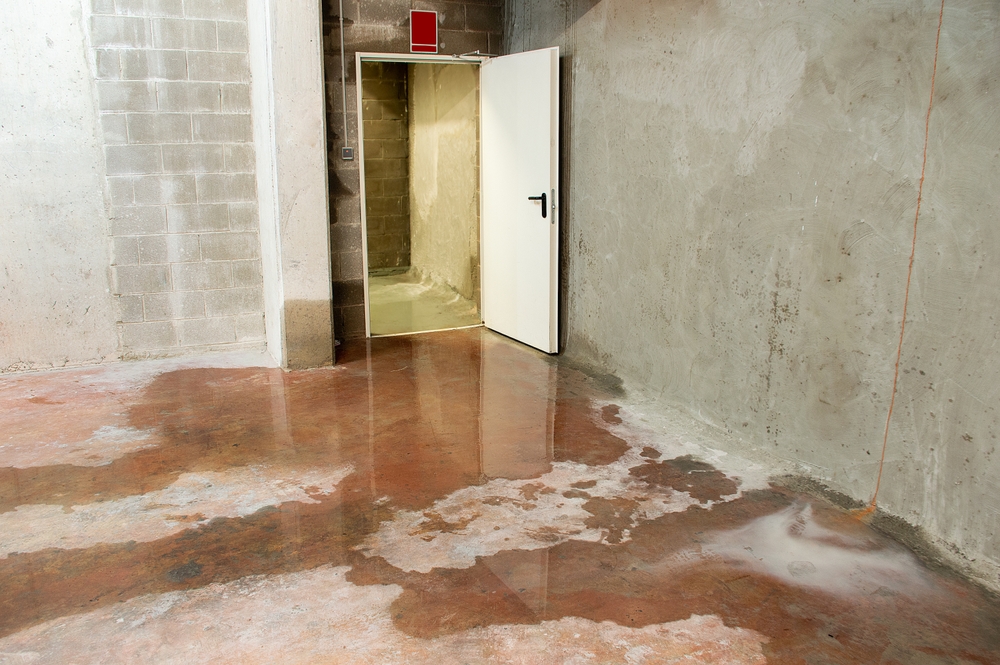
Common Basement Waterproofing Problems Homeowners Should Never Ignore
Water in the basement is more than an inconvenience. For homeowners in Racine, WI, it can be an early warning sign of foundation damage, mold growth, and costly structural repairs. With Lake Michigan’s influence, seasonal rainfall, snowmelt, and freeze-thaw cycles, local basements often face moisture challenges that should never be ignored.
Quick Answer
Common basement waterproofing problems include foundation cracks, water seepage through walls or floors, poor drainage around the home, hydrostatic pressure, failing sump pumps, and high indoor humidity. Addressing these issues early helps protect your home’s structure, indoor air quality, and long-term value.
What Local Homeowners Should Know
-
Homes throughout Racine County experience seasonal moisture changes due to snowmelt, heavy spring rains, and summer storms.
-
Clay-rich soils found in parts of southeastern Wisconsin can retain water and increase pressure against basement walls.
-
Small foundation cracks may seem harmless but can become larger as freeze-thaw cycles repeat each winter.
-
Persistent basement moisture often leads to mold growth, musty odors, and damage to stored belongings.
-
Early inspections are typically less expensive than repairing extensive water or foundation damage.
Why This Matters Locally
Basement waterproofing is especially important for homeowners in Racine because of the area’s changing seasons and proximity to Lake Michigan. Heavy precipitation, melting snow, and fluctuating groundwater levels can place significant pressure on basement walls and foundations. Older homes throughout Racine, Mount Pleasant, Caledonia, and nearby communities may also have aging masonry that becomes more vulnerable to water intrusion over time.
At Langenfeld Masonry & Concrete, we regularly see how small moisture issues develop into larger structural concerns when left untreated. Identifying problems early allows homeowners to protect both their property and their investment.
Local Field Observations
Based on professional field experience throughout southeastern Wisconsin, recurring basement moisture issues often appear after extended periods of rainfall, rapid snowmelt, or repeated freeze-thaw cycles. Homes with aging masonry foundations or inadequate exterior drainage frequently experience water intrusion long before obvious structural damage becomes visible.
Foundation Cracks
Foundation cracks are one of the most common basement waterproofing problems homeowners should never ignore.
Hairline cracks can develop naturally as concrete cures, but wider cracks or cracks that continue growing may allow groundwater to enter the basement. During Wisconsin winters, water entering these cracks can freeze, expand, and gradually increase the damage.
Watch for cracks that:
-
Continue getting longer or wider
-
Allow visible water seepage
-
Appear alongside bowing walls
-
Show signs of shifting or uneven floors
Water Seeping Through Basement Walls
Water seepage through basement walls is a clear indication that moisture is finding a path inside.
You may notice damp spots, discoloration, peeling paint, or white mineral deposits known as efflorescence. These signs often indicate persistent moisture rather than a one-time leak.
Ignoring seepage allows moisture to remain trapped inside the basement, creating conditions that support mold growth and deterioration of masonry materials.
Poor Exterior Drainage
Improper drainage around your home is one of the leading causes of basement water problems.
Common drainage issues include:
-
Clogged gutters
-
Short downspout extensions
-
Improper grading
-
Low spots that collect standing water
-
Landscaping that directs water toward the foundation
Keeping water away from the home’s exterior significantly reduces pressure against basement walls.
Hydrostatic Pressure
Hydrostatic pressure occurs when water builds up in the soil surrounding your foundation.
As saturated soil presses against basement walls, water seeks the easiest path inside. Even durable concrete can eventually allow moisture through tiny openings under constant pressure.
Signs of hydrostatic pressure include:
-
Wet basement floors
-
Bowing foundation walls
-
Water entering where walls meet the floor
-
Recurring leaks after storms
Sump Pump Problems
A sump pump helps remove groundwater before it reaches your basement.
When the pump fails due to age, power outages, mechanical issues, or lack of maintenance, water can accumulate rapidly during heavy rainfall.
Homeowners should periodically test their sump pump, especially before spring storms and periods of increased precipitation.
High Basement Humidity
Excess humidity often indicates hidden moisture problems even when standing water is not visible.
Common symptoms include:
-
Musty odors
-
Condensation on windows
-
Mold growth
-
Damp cardboard boxes
-
Rust forming on metal items
Controlling humidity protects both the structure of your home and indoor air quality.
Warning Signs You Should Never Ignore
Several warning signs suggest your basement may need professional waterproofing evaluation.
-
Water stains on walls or floors
-
Musty or persistent damp odors
-
White powdery deposits on masonry
-
Cracks in basement walls
-
Standing water after heavy rain
-
Bowing or leaning foundation walls
-
Mold growth
-
Peeling paint or bubbling wall finishes
Even if these symptoms seem minor, they often indicate a larger moisture issue developing behind the scenes.
When to Call a Professional
Professional evaluation is recommended whenever water enters your basement repeatedly, foundation cracks begin expanding, or walls show signs of movement.
Homeowners can safely:
-
Clean gutters
-
Extend downspouts
-
Monitor small cosmetic cracks
-
Watch humidity levels
Professional service becomes important when structural movement, recurring leaks, or significant water intrusion occurs.
Common Local Causes
Several local conditions contribute to basement waterproofing problems throughout Racine and surrounding communities.
1. Seasonal Freeze-Thaw Cycles
Repeated freezing and thawing places stress on concrete and masonry.
2. Heavy Rainfall
Intense storms can overwhelm drainage systems and increase groundwater around foundations.
3. Snowmelt
Rapid spring thaw often saturates the soil before it has time to drain properly.
4. Aging Foundations
Older masonry foundations may develop cracks, deteriorating mortar joints, or weakened waterproofing over time.
5. Improper Drainage
Poor grading and inadequate downspouts continue to be among the most preventable causes of basement moisture.
Prevention and Maintenance
Preventative maintenance helps reduce the likelihood of basement water problems.
Consider these steps:
-
Clean gutters twice each year.
-
Keep downspouts directing water well away from the foundation.
-
Inspect foundation walls annually for new cracks.
-
Monitor basement humidity levels.
-
Test your sump pump before heavy rain seasons.
-
Address drainage problems before significant water damage develops.
Routine inspections after winter and after major storms are particularly valuable in southeastern Wisconsin.
Expected Results
Professional waterproofing solutions can significantly reduce water intrusion, improve indoor air quality, protect stored belongings, and help preserve the structural integrity of your home. The appropriate solution depends on the specific cause of moisture, the condition of the foundation, and how water is entering the basement.
Common Mistakes
Mistake: Painting over damp basement walls.
Consequence: Moisture continues entering behind the coating, allowing damage to worsen.
Better Approach: Identify and repair the source of the water intrusion before applying finishes.
Mistake: Ignoring small cracks.
Consequence: Seasonal movement can enlarge cracks over time.
Better Approach: Monitor cracks and have growing or leaking cracks professionally evaluated.
Mistake: Relying only on a dehumidifier.
Consequence: Humidity decreases while the water source remains.
Better Approach: Address the underlying waterproofing issue first.
Common Local Scenario
A homeowner in the Racine area notices a damp corner after several days of spring rain. Initially, the moisture appears minor, so it is cleaned up and ignored. Over the following months, musty odors develop, stored boxes become damaged, and small wall cracks begin expanding. A professional inspection reveals that poor exterior drainage and foundation seepage have allowed moisture to enter repeatedly. Addressing the drainage and waterproofing issues early would have prevented additional repairs.
Related Service Solutions
Depending on the source of the problem, basement waterproofing may involve:
-
Foundation crack repair
-
Masonry repair
-
Drainage improvements
-
Exterior waterproofing
-
Interior drainage systems
-
Sump pump installation or replacement
-
Foundation stabilization
The right solution depends on identifying the underlying cause rather than simply treating visible symptoms.
Comparing Your Options
| Option | Best For | Considerations |
|---|---|---|
| DIY Maintenance | Routine inspections and gutter cleaning | Does not solve structural waterproofing issues |
| Minor Crack Monitoring | Small cosmetic cracks with no water intrusion | Requires ongoing observation |
| Professional Waterproofing | Recurring leaks, structural concerns, foundation movement | Addresses root causes rather than symptoms |
Service Areas
We proudly help homeowners throughout Racine, Mount Pleasant, Caledonia, Sturtevant, Wind Point, and surrounding communities across Racine County. We understand the local weather conditions and foundation challenges that affect homes throughout southeastern Wisconsin.
The Cost of Ignoring Basement Waterproofing Problems
Delaying waterproofing repairs often allows minor moisture issues to become significantly more expensive. Water intrusion can damage flooring, drywall, insulation, personal belongings, and even structural components of the home. Early repairs typically prevent larger restoration projects later.
Frequently Asked Questions
How common are basement waterproofing problems in Racine, WI?
Basement waterproofing issues are fairly common because Racine experiences seasonal snowmelt, heavy rainfall, and freeze-thaw conditions that place added stress on foundations and drainage systems.
Can small basement cracks become serious?
Yes. Small cracks can gradually widen over time, allowing additional moisture inside and increasing the potential for structural damage if ignored.
Does every damp basement need waterproofing?
Not necessarily. Some moisture comes from humidity, while other situations involve active water intrusion. A professional inspection helps determine the actual cause.
What causes basement leaks after heavy rain in Racine?
Heavy rainfall can saturate surrounding soil, increase hydrostatic pressure, and expose drainage deficiencies that allow water to enter the basement.
Can poor grading around my home cause basement leaks?
Yes. Improper grading directs water toward the foundation instead of away from it, increasing the likelihood of water intrusion.
How often should homeowners inspect their basement?
A visual inspection at least twice each year, along with checks after major storms or spring snowmelt, helps identify developing problems early.
Is mold always a sign of a waterproofing issue?
Not always, but persistent mold growth often indicates excess moisture that should be investigated before it spreads.
Should I repair basement waterproofing problems before selling my home?
Yes. Addressing moisture issues before listing a home can help prevent inspection concerns and provide buyers with greater confidence in the property’s condition.
Protect Your Basement Before Small Problems Become Major Repairs
Basement moisture rarely improves on its own. Identifying warning signs early helps protect your home’s structure, improve indoor comfort, and reduce the risk of expensive future repairs.
Ready to protect your Racine home?
Our team is here to evaluate your basement, identify the source of moisture, and recommend practical waterproofing solutions.
Categorised in: Basement Waterproofing