
How Basement Waterproofing Helps Protect Your Foundation
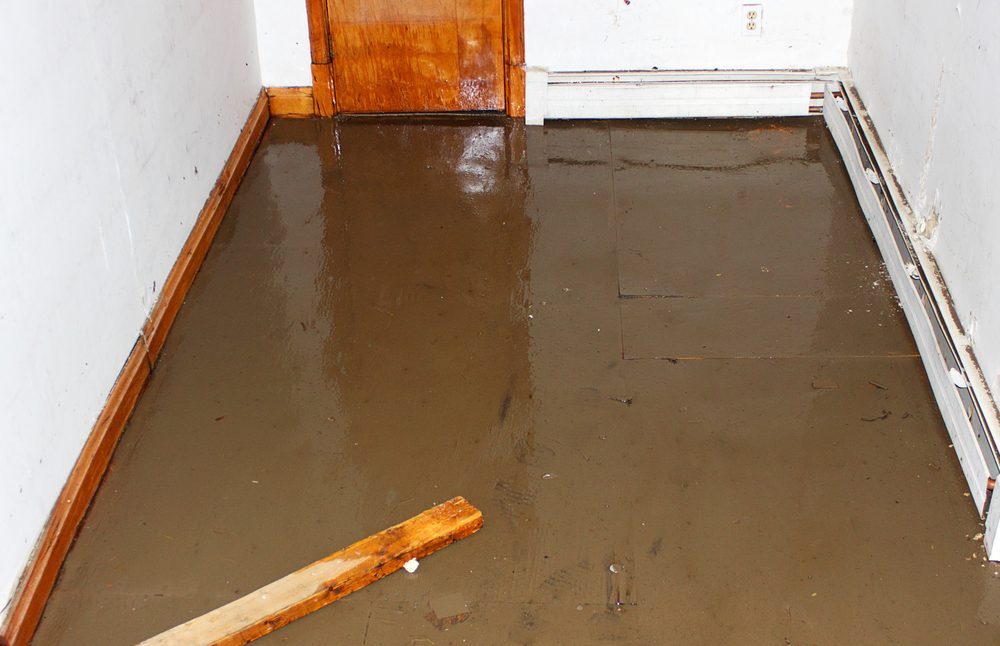
Heavy rain, spring snowmelt, and freeze thaw cycles are all part of life in southeastern Wisconsin. For homeowners in Racine, water around the foundation is more than an inconvenience. Left unchecked, it can lead to structural damage, mold growth, and costly repairs.
Quick Answer
Basement waterproofing helps protect your foundation by preventing water from entering through cracks, porous concrete, and vulnerable joints. Keeping moisture away from your home’s foundation reduces the risk of soil movement, hydrostatic pressure, foundation cracking, mold, and long-term structural damage. In areas like Racine where seasonal weather creates frequent moisture challenges, waterproofing is an important part of protecting your home’s value and stability.
What Local Readers Should Know
-
Homes throughout Racine County experience heavy spring rains and winter freeze thaw cycles that can place added stress on foundations.
-
Clay-rich soils common throughout southeastern Wisconsin can expand when wet and shrink during dry periods, increasing pressure against basement walls.
-
Small foundation cracks often allow water intrusion long before major structural issues become visible.
-
Proper drainage and basement waterproofing work together to reduce moisture problems and help extend the life of your home’s foundation.
Why This Matters Locally
Basement waterproofing helps protect foundations because it reduces the amount of moisture that reaches the concrete and relieves water pressure around the home. In Racine, seasonal storms, melting snow, and fluctuating temperatures create conditions that can allow water to collect around foundations throughout the year.
Many homes across Racine County, Mount Pleasant, Caledonia, Sturtevant, and nearby communities were built decades ago. Older homes may have aging foundation walls, deteriorating waterproofing materials, or drainage systems that no longer perform as intended.
At Langenfeld Masonry & Concrete, we understand the challenges local property owners face because we work with these conditions throughout southeastern Wisconsin. Our goal is helping homeowners identify problems early before moisture causes more extensive foundation damage.
Local Field Observations
Professional experience throughout southeastern Wisconsin shows that basement water problems rarely begin with major flooding. More commonly, homeowners first notice damp walls, musty odors, white mineral deposits, or occasional water after heavy rain.
These warning signs often indicate that groundwater is finding pathways through foundation walls or that water is collecting around the home’s perimeter. Addressing these issues early is typically less disruptive than waiting for larger structural repairs.
Local Impact
Basement waterproofing helps protect more than just the basement itself. Excess moisture around a foundation can affect the entire home.
Potential impacts include:
-
Foundation settlement or movement
-
Interior water damage
-
Mold and mildew growth
-
Damaged flooring and finished basements
-
Reduced indoor air quality
-
Higher repair costs over time
-
Lower property value when selling
For many homeowners in the Lake Michigan region, preventing water intrusion also means protecting valuable storage areas and finished living spaces below grade.
Warning Signs Your Basement May Need Waterproofing
Basement waterproofing may be necessary if you notice any of these common warning signs:
-
Water stains on basement walls or floors
-
Musty or damp odors
-
White powdery residue called efflorescence
-
Cracks in foundation walls
-
Bowing or leaning basement walls
-
Standing water after heavy rainfall
-
Mold or mildew growth
-
Peeling paint or deteriorating wall finishes
Even occasional moisture can indicate a developing problem that deserves professional evaluation.
When to Call a Professional
Professional waterproofing is recommended when water is entering through foundation walls, recurring moisture continues despite basic maintenance, or structural concerns become visible. While homeowners can monitor minor issues, persistent leaks and foundation movement require expert assessment.
You can safely:
-
Keep gutters clean
-
Extend downspouts away from the home
-
Monitor small cracks for changes
-
Check grading around the foundation
You should contact a professional if:
-
Water repeatedly enters after storms
-
Cracks become wider over time
-
Walls begin bowing inward
-
Mold continues returning
-
Basement flooding occurs
Prompt action often helps prevent more extensive masonry and foundation repairs.
Common Local Causes of Basement Water Problems
Several local conditions contribute to foundation moisture throughout southeastern Wisconsin.
1. Heavy Rainfall
Strong storms can quickly saturate soil surrounding the foundation, increasing hydrostatic pressure against basement walls.
2. Freeze Thaw Cycles
Water entering small cracks expands when frozen. Repeated freeze thaw cycles can gradually enlarge cracks and allow additional moisture intrusion.
3. Poor Drainage
Improper grading, clogged gutters, or short downspouts allow water to collect near the home’s foundation instead of draining away.
4. Aging Waterproofing Systems
Older homes may have waterproofing materials that have deteriorated after decades of exposure to moisture and soil movement.
5. Expansive Soil Movement
Changing moisture levels cause some soils to expand and contract, increasing pressure against basement walls and foundations.
Prevention and Maintenance
Preventing basement moisture starts with managing water before it reaches the foundation.
Helpful maintenance includes:
-
Clean gutters each spring and fall.
-
Ensure downspouts discharge several feet from the home.
-
Maintain positive grading away from the foundation.
-
Inspect basement walls after major storms.
-
Seal minor cracks only after determining the underlying cause.
-
Schedule professional inspections if recurring moisture develops.
Regular inspections after winter and following heavy rain can help identify developing problems early.
Expected Results from Basement Waterproofing
Professional basement waterproofing helps reduce water intrusion and protects the structural integrity of your home. Results vary depending on existing conditions, but homeowners often experience:
-
Drier basement spaces
-
Reduced moisture odors
-
Better protection against mold growth
-
Less foundation stress
-
Improved long-term durability
-
Greater confidence during heavy rain events
Waterproofing also supports future renovations by helping create a more reliable basement environment.
Common Mistakes Homeowners Make
Painting Over Moisture
Applying waterproof paint without addressing the source of water often hides symptoms instead of solving the problem.
Ignoring Small Cracks
Small cracks can grow over time as water pressure and seasonal movement continue affecting the foundation.
Focusing Only Indoors
Drying the basement without improving exterior drainage leaves the underlying issue unresolved.
Waiting Until Flooding Occurs
Minor moisture problems are often less expensive to address before significant water intrusion develops.
Common Local Scenario
A homeowner notices damp basement walls every spring after snowmelt. At first, the moisture appears minor and dries quickly. Over several seasons, small cracks widen, musty odors develop, and stored belongings begin showing signs of moisture damage.
This type of situation is common throughout southeastern Wisconsin. Addressing drainage and waterproofing early can help prevent more extensive foundation repairs later.
Related Service Solutions
Depending on the cause of the moisture problem, solutions may include:
-
Foundation crack repair
-
Basement waterproofing
-
Exterior drainage improvements
-
Masonry repair
-
Concrete repair
-
Foundation restoration
The right solution depends on the home’s construction, existing damage, and the source of water intrusion.
Comparing Your Options
| Option | Benefits | Limitations |
|---|---|---|
| DIY moisture management | Helpful for routine maintenance | Does not solve structural or drainage problems |
| Crack sealing alone | May stop minor seepage | Not effective if water pressure remains |
| Professional waterproofing | Addresses underlying moisture issues | Requires professional evaluation and installation |
| Waiting | No immediate expense | Can allow damage and repair costs to increase |
Service Areas
We proudly serve homeowners throughout Racine, Mount Pleasant, Caledonia, Sturtevant, and surrounding communities across Racine County and southeastern Wisconsin. Local knowledge allows us to recommend solutions suited to regional weather and soil conditions.
The Cost of Ignoring Basement Water Problems
Ignoring basement moisture can allow foundation damage to worsen over time. Water intrusion may contribute to larger cracks, mold growth, damaged finishes, and increased repair costs.
Addressing water issues early often helps preserve your home’s structural integrity while reducing the likelihood of more extensive repairs in the future.
Frequently Asked Questions
Does basement waterproofing really protect foundations in Racine?
Yes. Basement waterproofing helps reduce water intrusion and hydrostatic pressure, both of which can contribute to foundation deterioration in homes throughout Racine and the surrounding area.
Why do basements leak after heavy rain in southeastern Wisconsin?
Heavy rainfall can saturate the soil around the home, increasing pressure against basement walls. Water often enters through existing cracks, construction joints, or areas where drainage is inadequate.
Can small foundation cracks become larger?
Yes. Seasonal freeze thaw cycles and ongoing soil movement can gradually enlarge small cracks if moisture continues entering the foundation.
How often should homeowners inspect their basement?
A visual inspection each season and after significant storms is a good practice. Early detection makes it easier to identify developing moisture issues.
Is waterproofing only for older homes in Racine County?
No. While older homes often have aging waterproofing systems, newer homes can also experience drainage problems, foundation settling, or water intrusion depending on site conditions.
Can waterproofing help reduce mold concerns?
Yes. Reducing moisture inside the basement creates conditions that are less favorable for mold growth, although existing mold should be evaluated and addressed separately if present.
Protect Your Foundation Before Water Causes Bigger Problems
Water problems rarely improve on their own. Identifying moisture issues early helps protect your home’s foundation and supports its long-term durability.
Schedule Your Basement Waterproofing Evaluation
Our team is ready to help you identify moisture problems and recommend practical solutions tailored to your property in Racine and the surrounding communities.
Categorised in: Basement Waterproofing