
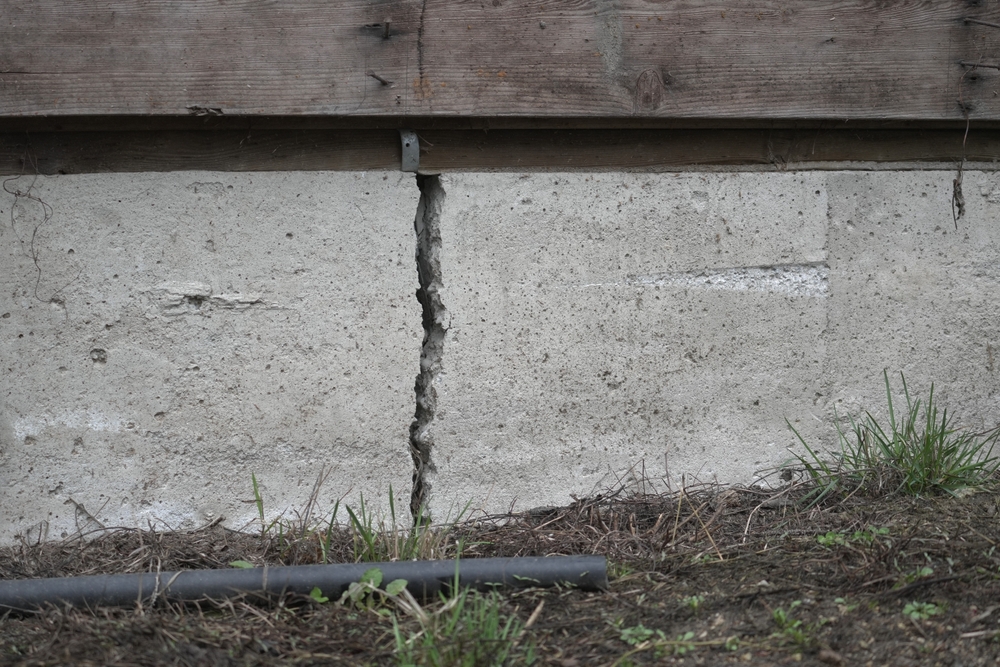
How Foundation Problems Can Affect the Rest of Your Home
Owning a home in Racine, WI means dealing with conditions that can put extra stress on your property’s foundation. From freezing winter temperatures along Lake Michigan to spring snowmelt and seasonal rain, the ground beneath your home is constantly expanding, contracting, and shifting. While foundation issues often begin below the surface, the damage rarely stays there.
Quick Answer
Foundation problems can affect nearly every part of your home because the foundation supports the entire structure. As the foundation shifts, settles, or cracks, walls, floors, windows, doors, plumbing, masonry, and even the roof can be impacted. Identifying and addressing foundation concerns early can help prevent more extensive repairs and protect the long-term value of your property.
What Local Readers Should Know
-
Homes throughout Racine County experience seasonal freeze-thaw cycles that can contribute to soil movement around foundations.
-
Older neighborhoods in Racine often contain homes with aging concrete and masonry that may require closer monitoring.
-
Moisture from heavy spring rains and melting snow can increase pressure against basement walls.
-
Small cracks do not always indicate a major structural problem, but changes over time deserve professional evaluation.
-
Routine inspections can help identify developing issues before they affect other parts of your home.
Why This Matters Locally
Foundation movement is especially important for homeowners in Racine because Wisconsin weather creates repeated cycles of freezing, thawing, and moisture changes throughout the year. Areas near Lake Michigan may also experience varying groundwater conditions that affect surrounding soils.
Communities such as Mount Pleasant, Caledonia, Sturtevant, Elmwood Park, and Wind Point include homes of different ages and construction styles, each with unique foundation challenges. Whether your home has a poured concrete foundation, block walls, or traditional masonry, keeping the foundation stable helps protect every level of the structure.
At Langenfeld Masonry & Concrete, we regularly help homeowners understand how foundation concerns relate to the rest of their home’s condition. Our goal is to identify problems early and recommend appropriate repair solutions before additional damage develops.
Local Field Observations
Professional field observations throughout southeastern Wisconsin show that many foundation concerns begin gradually. Homeowners often notice cosmetic changes first, such as drywall cracks or doors that begin sticking, before realizing the foundation has shifted.
Properties with poor drainage, older concrete, or inconsistent soil moisture frequently show signs of movement over time. Seasonal inspections often reveal that seemingly unrelated issues actually share the same underlying cause.
How Foundation Problems Affect the Rest of Your Home
Foundation movement affects the entire structure because every wall, floor, and roof system relies on a stable base.
Interior Walls and Ceilings
As the foundation settles unevenly, drywall and plaster may begin to crack. These cracks often appear around doors, windows, ceiling corners, or where walls meet ceilings. While small cosmetic cracks can occur naturally, expanding or recurring cracks deserve further evaluation.
Floors
Uneven foundations can cause floors to slope, bounce, or develop soft spots. Hardwood flooring may separate, tile may crack, and laminate flooring can shift as the underlying structure moves.
Doors and Windows
One of the most common signs of foundation movement is difficulty opening or closing doors and windows. Frames may become misaligned, making them stick or leaving gaps that allow outside air and moisture inside.
Masonry
Brick veneer, stonework, chimneys, and concrete steps can all develop cracks when foundation movement transfers stress upward. Exterior masonry damage often becomes more visible after winter weather.
Roofing System
Although the roof is far removed from the foundation, structural movement can eventually affect roof framing. In severe cases, homeowners may notice sagging rooflines or gaps where walls meet ceilings.
Plumbing
Foundation settling can place stress on plumbing lines that run beneath or through the home. Over time, this may contribute to leaks, drainage issues, or pipe damage.
Warning Signs
Watch for these common indicators that foundation issues may be affecting your home:
-
Stair-step cracks in brick or block walls.
-
Horizontal or widening foundation cracks.
-
Doors or windows that suddenly stick.
-
Uneven or sloping floors.
-
Gaps between walls and ceilings.
-
Cracked basement walls.
-
Water entering the basement after heavy rain.
-
Separation around exterior trim or masonry.
When to Call a Professional
Foundation problems should be evaluated when signs become more than cosmetic or continue to worsen over time.
Homeowners can safely monitor small cracks by taking photos every few months to see whether they change. However, growing cracks, bowing walls, recurring water intrusion, or structural movement should be inspected by an experienced masonry and concrete professional.
Early evaluation often allows repairs before damage spreads throughout the rest of the home.
Common Local Causes
Several conditions contribute to foundation movement in the Racine area.
1. Freeze-Thaw Cycles
Water expands when it freezes, creating pressure against foundations and surrounding soil throughout Wisconsin winters.
2. Poor Drainage
Improper grading, clogged gutters, or short downspouts can allow water to collect near the foundation, increasing soil movement.
3. Expanding and Contracting Soil
Seasonal moisture changes cause certain soils to shrink during dry periods and expand after heavy precipitation.
4. Aging Construction Materials
Many homes throughout Racine County have foundations that have experienced decades of weather exposure and natural settling.
5. Tree Roots
Large trees planted close to homes may alter soil moisture levels around foundations over time.
Prevention and Maintenance
While no foundation lasts forever without maintenance, homeowners can reduce risk by taking several practical steps.
-
Keep gutters clean and functioning properly.
-
Extend downspouts away from the home’s foundation.
-
Maintain positive grading around the property.
-
Repair small masonry cracks before moisture enters.
-
Inspect the basement after heavy rain or snowmelt.
-
Schedule periodic professional inspections if you notice recurring movement.
Expected Results
Professional foundation evaluation helps determine whether observed damage is cosmetic or structural. Depending on the condition, repairs may stabilize movement, restore damaged masonry, improve drainage, or address cracked concrete before additional areas become affected.
Every home is different, so repair recommendations should be based on the property’s construction, soil conditions, and observed movement.
Common Mistakes
Mistake: Ignoring small foundation cracks.
Consequence: Minor problems can gradually expand and affect walls, floors, and masonry.
Better Approach: Monitor changes and have questionable cracks professionally evaluated.
Mistake: Only repairing interior drywall.
Consequence: Cosmetic repairs may crack again if foundation movement continues.
Better Approach: Address the underlying structural issue before repairing finishes.
Mistake: Allowing water to collect near the home.
Consequence: Excess moisture increases pressure against foundation walls.
Better Approach: Improve drainage and manage runoff throughout the year.
Common Local Scenario
A homeowner notices a few drywall cracks after winter and assumes they’re simply seasonal. By summer, several windows become difficult to open and a stair-step crack appears in the exterior brick. An inspection reveals foundation movement caused by drainage issues and seasonal soil changes. Addressing the underlying problem helps prevent additional structural damage and allows cosmetic repairs to last longer.
Related Service Solutions
Foundation concerns often involve multiple services working together.
These may include:
-
Foundation repair
-
Concrete repair
-
Masonry restoration
-
Crack repair
-
Basement wall repair
-
Drainage improvements
-
Concrete replacement where necessary
Comparing Your Options
| Option | Best For | Considerations |
|---|---|---|
| Monitor Small Cosmetic Cracks | Minor, stable cracks | Requires regular observation |
| Professional Inspection | Uncertain structural concerns | Provides an informed assessment |
| Targeted Repairs | Localized damage | Can prevent additional deterioration |
| Comprehensive Foundation Repair | Significant movement | Addresses underlying structural issues |
Service Areas
We proudly serve homeowners throughout Racine, Mount Pleasant, Caledonia, Sturtevant, Wind Point, Elmwood Park, and surrounding communities across Racine County. Understanding local weather, soil conditions, and construction styles helps us recommend solutions that fit southeastern Wisconsin properties.
Cost of Ignoring the Issue
Waiting too long to address foundation problems can allow damage to spread throughout the home. What begins as a small crack may eventually affect flooring, walls, windows, masonry, plumbing, or other structural components. Early attention often results in less extensive repairs and helps preserve your home’s value.
Frequently Asked Questions
Can foundation problems get worse during Wisconsin winters?
Yes. Freeze-thaw cycles throughout Racine and surrounding communities can increase pressure on foundations and contribute to additional movement if existing issues are present.
Are small foundation cracks normal in Racine homes?
Small shrinkage cracks can occur naturally, but widening, horizontal, or growing cracks should be professionally evaluated to determine whether structural movement is occurring.
Can foundation problems affect my doors and windows?
Yes. Foundation movement frequently causes frames to become misaligned, making doors and windows difficult to open or close properly.
Why are older homes in Racine more susceptible?
Many older homes have experienced decades of settlement, seasonal weather exposure, and changing drainage conditions that may increase the likelihood of foundation concerns.
Does poor drainage contribute to foundation damage?
Yes. Water collecting around the foundation can increase soil movement and hydrostatic pressure against basement walls.
Can cracked masonry indicate a foundation issue?
Yes. While masonry can crack for several reasons, stair-step cracks or recurring exterior damage may indicate movement originating in the foundation.
How often should I inspect my foundation?
Homeowners should visually inspect their foundation several times each year, especially after winter and periods of heavy rainfall.
When should I schedule a professional inspection?
Schedule an inspection if you notice expanding cracks, sloping floors, sticking doors, basement wall movement, or recurring water intrusion.
Protect Your Home from the Ground Up
Your home’s foundation supports everything above it. Addressing small issues early can help prevent costly repairs and keep your home safe, stable, and comfortable for years to come.
Categorised in: Foundation Repair